


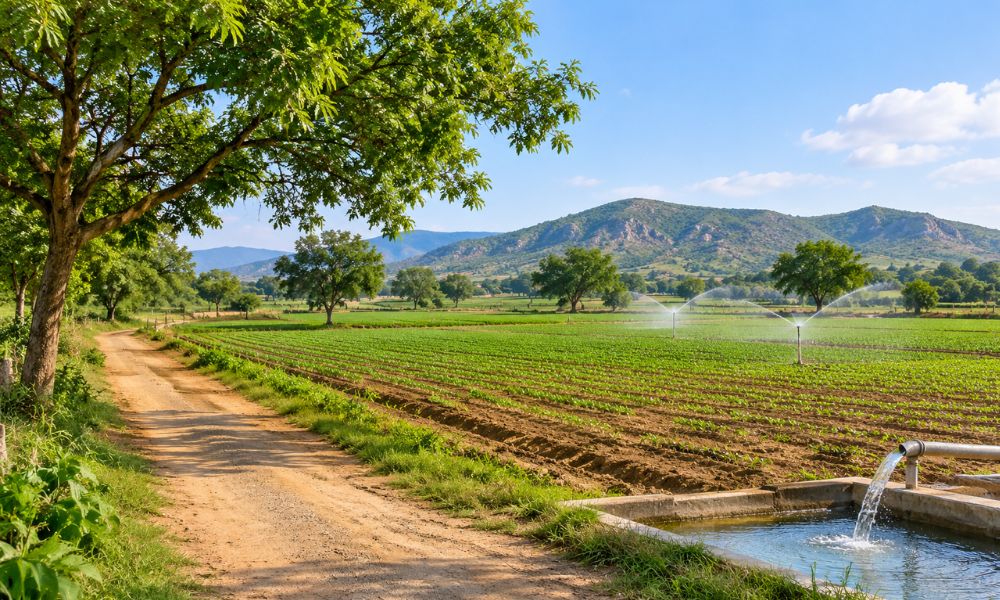
Buying agricultural land is an important decision, particularly for people planning to use the property for farming, cultivation, or long-term investment. Unlike residential properties, agricultural land requires careful evaluation of several factors before making a purchase. Soil quality, water availability, location, road connectivity, and legal documentation all play an important role in determining whether a property is suitable for long-term use.
Sohna, located in the Gurugram district of Haryana, has become an area of interest for buyers exploring agricultural property opportunities. Its rural surroundings and connectivity to Gurugram and other parts of Delhi NCR make it worth considering. However, finding the right Agricultural Land for Sale in Sohna requires more than comparing property prices. Buyers should understand the land’s condition, legal status, and suitability for their future requirements.
1. Choose a Suitable Location
Location is one of the first things to consider when purchasing agricultural land. Different areas around Sohna can offer different advantages depending on their surroundings, road access, and available facilities.
Before selecting a property, check its distance from major roads, nearby villages, local markets, and essential services. Convenient connectivity can make regular visits easier and help transport agricultural produce, equipment, and farming supplies.
It is also useful to understand the surrounding land use. Check whether the area is primarily agricultural or has nearby residential and industrial developments. These details can help you understand the property’s surroundings and plan its future use.
2. Check Soil Quality and Fertility
Soil condition directly affects the agricultural potential of a property. Whether you plan to grow vegetables, fruits, grains, or other crops, understanding the soil is essential before purchasing land.
Different crops require different soil conditions. Some grow well in well-drained soil, while others need specific nutrient levels and moisture conditions.
Here are a few important things to examine:
- Soil texture and composition.
- Soil pH and nutrient levels.
- Drainage and water retention capacity.
- Existing signs of soil erosion.
- Suitability for your preferred crops.
Getting a professional soil test can help identify nutrient deficiencies and determine whether the land requires improvement before cultivation begins.
3. Verify Water Availability
Water is one of the most important requirements for agricultural activities. Even land with good soil fertility may not be suitable for regular cultivation without a dependable irrigation arrangement.
Before purchasing, check the availability of water sources, existing irrigation facilities, and seasonal water conditions. Understand whether groundwater extraction is permitted and whether any local restrictions apply.
If you are planning vegetable cultivation, organic farming, or fruit plantations, consider the amount of water required throughout the year.
Do not depend entirely on verbal promises about water availability. Verify the existing facilities and their legal status before finalising the purchase.
4. Verify Land Ownership and Legal Documents
Legal verification is an essential part of buying agricultural property. Unclear ownership, pending disputes, or land-use restrictions can create problems even after the purchase is completed.
Ask the seller for the relevant property documents and get them reviewed by a qualified property lawyer.
Some important checks include:
- Sale deed and ownership history.
- Jamabandi and relevant revenue records.
- Mutation records.
- Khasra and Khatauni details, where applicable.
- Existing loans or encumbrances.
- Land boundaries and access rights.
- Land classification and applicable usage restrictions.
Also verify whether the seller has the legal authority to transfer the property. Checking for pending disputes, acquisition notices, and other restrictions can help prevent unexpected complications.
5. Check Road Connectivity and Accessibility
Good accessibility makes agricultural land easier to manage. Farmers and landowners regularly need to transport equipment, seeds, fertilisers, labour, and harvested produce.
Before purchasing, inspect the approach road and check whether it remains accessible throughout the year. A property with convenient road access can make transportation and regular maintenance more manageable.
It is equally important to verify that the property has a legally recognised access route. Do not assume that an existing pathway automatically gives you permanent access through neighbouring land.
6. Evaluate Land Size and Shape
The size of the property should match your intended agricultural activities. A small plot may be suitable for seasonal vegetable cultivation, while larger areas may provide more flexibility for orchards or multiple farming activities.
Apart from the total area, pay attention to the shape and layout of the land.
Consider these points before making a decision:
- Total usable agricultural area.
- Clear and identifiable property boundaries.
- Space for irrigation arrangements.
- Accessibility for tractors and farming equipment.
- Existing structures or physical obstructions.
- Scope for dividing the property into cultivation sections.
Getting the land professionally measured can help confirm the actual area and avoid boundary-related disagreements later.
7. Understand Surrounding Development
Sohna and the wider Gurugram region have experienced infrastructure and property development over the years. Buyers considering long-term ownership should understand the development pattern around their shortlisted property.
Check nearby roads, residential projects, industrial areas, and proposed infrastructure developments through reliable and official sources.
It is also important to understand whether surrounding development could affect agricultural activities, access, water availability, or the property’s permitted use.
Keep in mind that agricultural land does not automatically become eligible for residential or commercial development simply because nearby areas are developing. Any change in land use must follow the applicable legal and approval process.
8. Calculate the Overall Investment Cost
The purchase price is not the only expense involved in owning agricultural land. Depending on the property’s existing condition, additional investment may be required before it is ready for regular use.
Some expenses to consider include:
- Stamp duty and registration charges.
- Legal verification and documentation.
- Land measurement and boundary marking.
- Irrigation and water arrangements.
- Fencing and basic security.
- Soil improvement and land preparation.
- Farming equipment and maintenance.
Preparing a realistic budget helps you understand the total financial commitment and avoid unexpected expenses after purchasing the property.
9. Consider Your Long-Term Requirements
Before selecting agricultural land, think about how you intend to use it over the coming years. Your purpose should influence the location, size, and physical characteristics of the property you choose.
For example, buyers interested in organic farming may prioritise soil quality and reliable water resources. Those planning fruit cultivation may need suitable growing conditions and sufficient space for plantation development.
Similarly, people purchasing agricultural land for long-term ownership may focus more on location, accessibility, ownership records, and maintenance requirements.
Having a clear objective makes it easier to compare different properties and avoid making decisions based only on price or future appreciation expectations.
Finding Suitable Agricultural Land with Green Space Properties & Developers
Searching for agricultural property involves understanding more than the available price and location. Buyers should also consider land documentation, physical conditions, accessibility, and whether the property meets their intended requirements.
Green Space Properties & Developers helps buyers explore agricultural land opportunities in Sohna and the surrounding Gurugram region. Whether you are looking for land for farming activities or considering agricultural property for long-term ownership, comparing available options can help you make a more informed decision.
Before finalising any property, buyers should independently verify ownership documents, land classification, boundaries, and applicable permissions to ensure the property meets their requirements.
Final Thoughts
Purchasing agricultural land for long-term use requires proper research and careful planning. Factors such as soil fertility, water availability, road connectivity, land size, legal documentation, and surrounding development can influence how useful a property will be over time.
Sohna offers different agricultural property opportunities, but not every plot will be suitable for the same purpose. Take time to inspect the land, compare locations, verify legal records, and calculate the overall investment before making a decision.
Choosing agricultural land according to your actual requirements can help you build a strong foundation for future farming activities and long-term property ownership.
Related: Is Industrial Land in Sohna Worth Considering for Long-Term Investment?


Comments are closed