


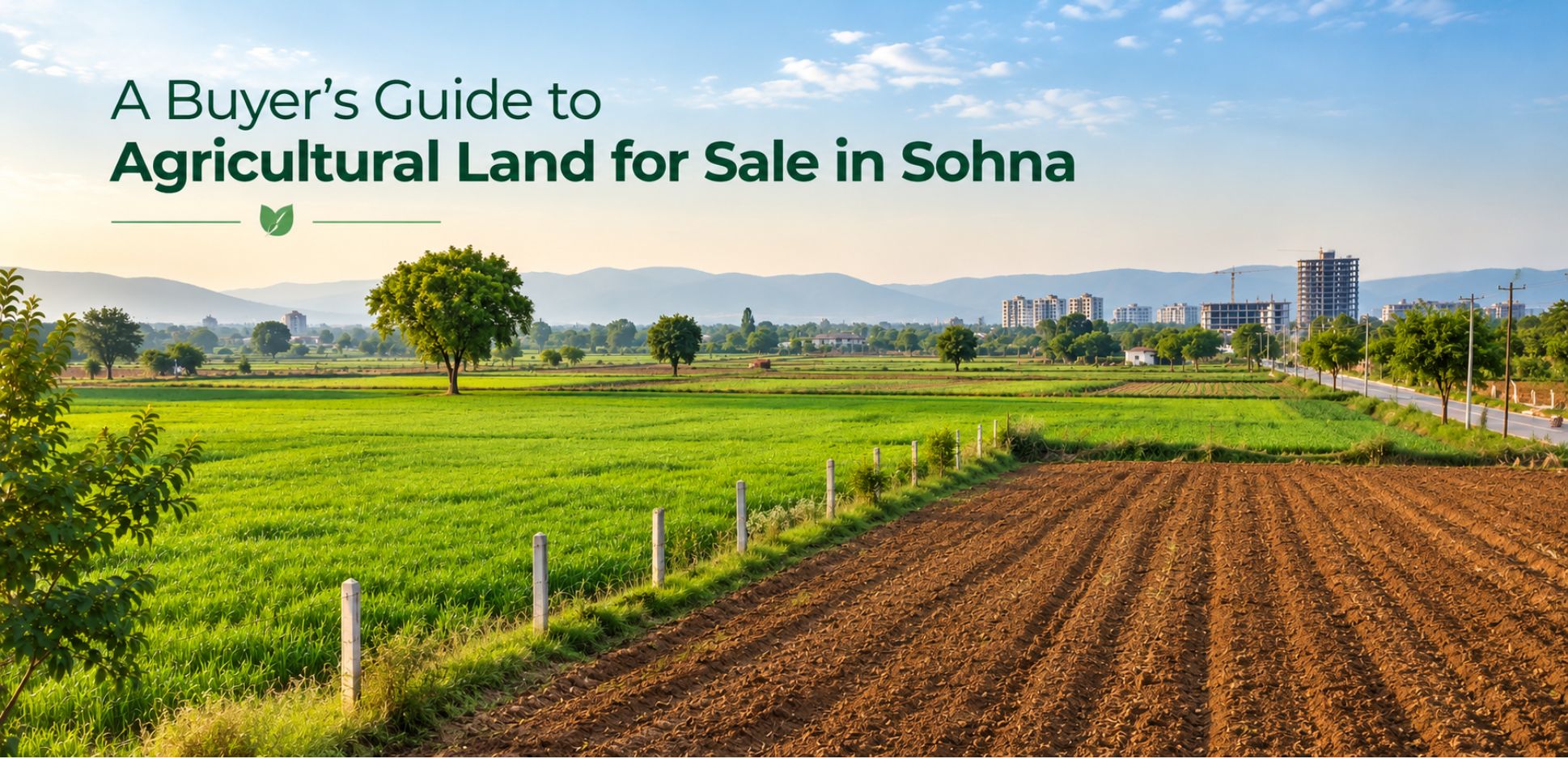
Buying agricultural land is a decision that requires careful research, a clear budget, and a proper understanding of land ownership and usage rules. For buyers exploring real estate opportunities around Gurugram, Sohna is an area worth researching because of its location, road connectivity, and surrounding development. However, purchasing agricultural land is different from buying a residential plot or an apartment. Before making a commitment, buyers need to understand the land’s legal status, permitted use, accessibility, and long-term suitability.
Whether you are considering farming, holding land as a long-term investment, or exploring agricultural land for sale in Sohna, knowing what to check before purchasing can help you avoid unnecessary complications. This guide explains the important factors to consider when evaluating agricultural land and making an informed decision.
1. Understand Your Purpose Before Buying
The first step is to identify why you wa nt to purchase agricultural land. Your purpose will influence the location, size, budget, and type of land you should consider.
If you plan to use the land for farming, focus on soil quality, water availability, irrigation facilities, drainage, and access for agricultural equipment. These factors can directly affect how practical the land is for cultivation.
If your objective is a long-term investment, you may also consider road access, nearby settlements, surrounding land use, and local market demand. However, future price appreciation is never guaranteed, and development prospects should not be treated as a promise of returns.
Be clear about your intended use from the beginning. Agricultural land cannot automatically be used for residential construction or commercial development simply because it is located near a growing urban area.
2. Research the Location Carefully
Sohna, in the wider Gurugram region, attracts interest from buyers looking at land and other property opportunities. However, the suitability of agricultural land can vary considerably between locations.
Before shortlisting a parcel, check its distance from main roads, nearby villages, local markets, and essential services. If you plan to visit the land frequently, consider how easily you can reach it from your home or workplace.
Road connectivity is important, but do not judge a property’s location only by its distance from a major highway. Check the actual approach road, its condition, and whether you have a legally recognised right of access to the land.
It is also useful to visit the site in person. Observe the surrounding land, drainage patterns, nearby construction, and general condition of the area. These details can help you understand whether the location meets your requirements.
3. Verify Ownership and Land Records
Legal verification is one of the most important steps when purchasing agricultural land. Never assume that a property is safe to buy simply because the seller has possession of it or claims to have owned it for many years.
Ask for the relevant title documents, previous ownership records, and current revenue records. In Haryana, Jamabandi records can provide information about recorded ownership and land details. Depending on the property, you may also need to review mutation entries, Khasra numbers, Khewat details, and other relevant records.
These documents should be checked against the actual land being offered for sale. It is important to understand that a mutation entry alone does not conclusively establish ownership.
Hire an independent property lawyer to examine the title history and identify any disputes, mortgages, inheritance issues, or restrictions affecting the land. You should also confirm the seller’s legal authority to transfer ownership before paying a substantial amount.
4. Check Land Use Rules and Applicable Permissions
One of the most common misunderstandings among land buyers is assuming that agricultural land can easily be converted into a residential plot or commercial property.
Land use is governed by applicable laws, planning regulations, and permissions. Before buying, verify the property’s current classification and whether your intended use is legally permitted.
If you are purchasing land for cultivation, confirm that there are no restrictions that could interfere with your plans. If you are considering future development, seek professional advice about the applicable zoning rules, conversion requirements, and approvals from the relevant authorities.
Do not rely entirely on verbal assurances that a residential project, farmhouse, or commercial development will be permitted in the future. Such changes may require formal approvals and may not be allowed in every location.
5. Inspect Soil Quality, Water Supply, and Access
If agricultural use is your main objective, the physical condition of the land deserves close attention. A low purchase price may not be beneficial if the land requires significant investment before it can be used productively.
Examine the soil type and drainage conditions. Where necessary, arrange soil testing to understand whether the land is suitable for your intended crops. Check the availability and reliability of irrigation water, electricity for agricultural purposes, and access to suitable equipment.
You should also visit the property after rainfall, if practical, to observe drainage and waterlogging conditions. Speak with nearby landowners or farmers to understand local cultivation practices and any recurring issues affecting the area.
For investment buyers, these inspections remain useful because the physical characteristics of the land can influence its practical value and potential future uses.
6. Calculate the Complete Purchase Cost
The advertised price is not the only expense involved in buying agricultural land. Your budget should include stamp duty, registration charges, legal fees, brokerage, and any applicable taxes or transaction costs.
Additional expenses may arise if the land needs fencing, access improvements, soil testing, clearing, or irrigation arrangements. If you plan to use it for farming, include the expected cost of equipment, labour, seeds, and other operational requirements.
Compare the asking price with recent transactions involving similar land in the same locality. Consider the size, road access, water availability, land quality, and legal status when evaluating whether the price is reasonable.
Green Space Properties & Developers can be a starting point for buyers exploring land opportunities around Sohna. Regardless of whom you consult, independently verify property details and calculate your total financial commitment before proceeding.
7. Visit the Site Before Finalising the Deal
Photographs, maps, and online listings can help you shortlist properties, but they cannot replace a physical inspection. A site visit allows you to check boundaries, approach roads, surrounding land use, and other details that may affect your decision.
Confirm that the parcel shown to you matches the land described in the available records. Where boundaries are unclear, seek assistance from a qualified survey professional and check the relevant official records.
Ask the seller about existing access arrangements, outstanding dues, disputes, and any agreements involving other parties. Ensure that the answers are supported by appropriate documentation.
Avoid making a rushed payment because of sales pressure. Complete the necessary checks, review the sale agreement with a lawyer, and follow the proper registration process.
Conclusion
Purchasing agricultural land in Sohna requires a careful balance of location research, legal verification, physical inspection, and financial planning. The right parcel should match your intended use, have a verifiable ownership history, and meet the relevant legal requirements.
Green Space Properties & Developers can help buyers begin exploring land opportunities in the Sohna region. However, every property should be evaluated individually before a final decision is made. Take time to verify the documents, understand land use restrictions, inspect the site, and assess the complete cost of ownership.
A well-researched purchase gives you a stronger foundation for managing your land responsibly and making decisions that align with your long-term plans.
Don’ miss: Common Mistakes to Avoid When Buying Property Dealer in Sohna Gurugram

Comments are closed